
Cost Guardrails Without Regret: Value Engineering the Right Way
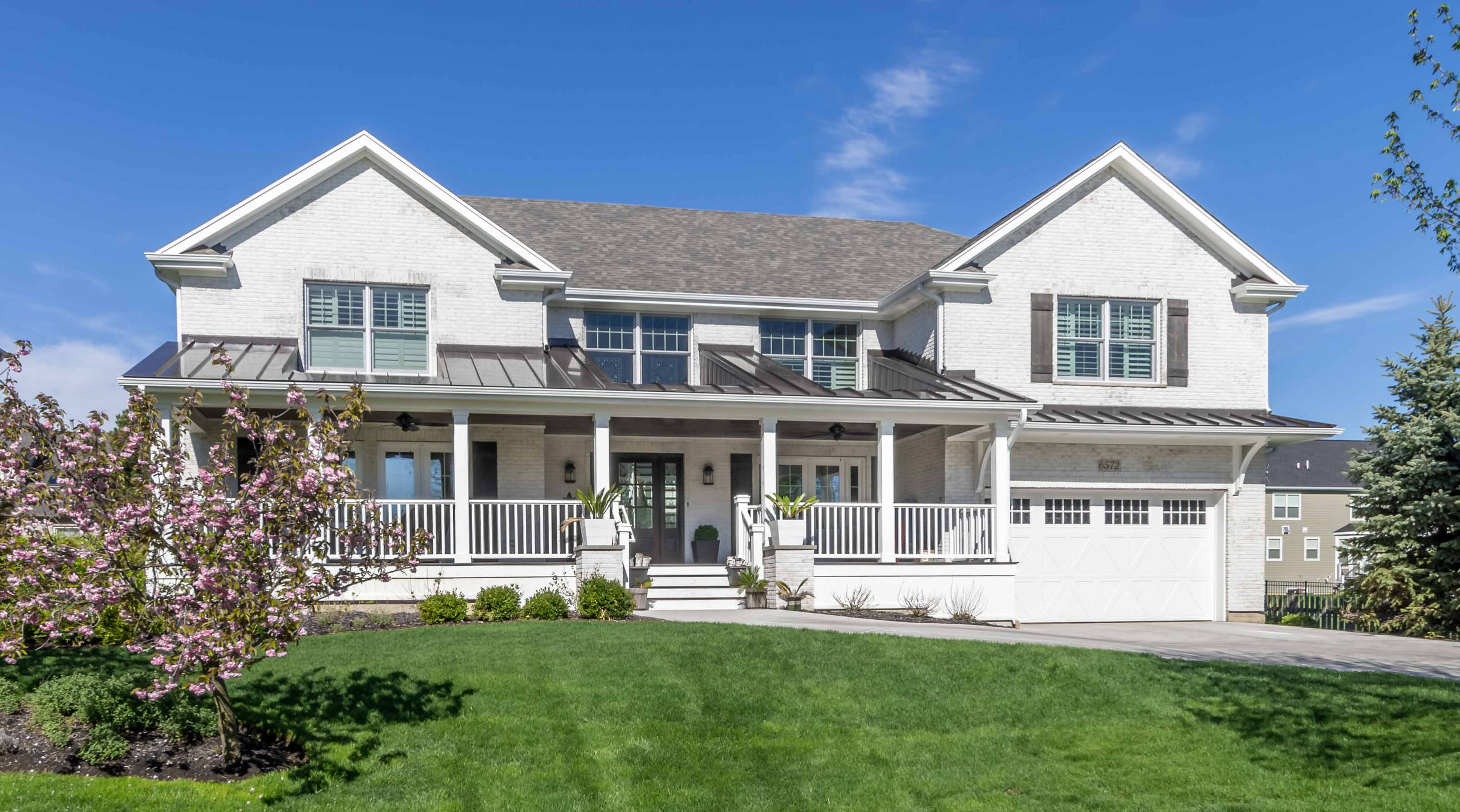
Value engineering isn’t a discount bin. It’s a disciplined way to protect performance, comfort, and beauty while aiming every dollar at what matters most. Done right, it delivers luxury living without the “wish we’d known” moments later.
We start by aligning scope (what to build now vs. later), specs (the exact products and assemblies), and size (right-sized rooms that live big without wasted square footage). Those three levers give the team options when prices move or supply chains wobble—without kneecapping the design.
How we define it: value per dollar, not lowest bid. We adjust the plan using three levers—scope, specs, and size—so the design stays intentional and the budget stays in bounds.
- Scope: what to build now vs. phase later
- Specs: where to elevate and where to select smart equals
- Size: right-sized rooms; no expensive square footage that adds nothing
Set guardrails early—and use them all the way through
Every great project starts by naming non-negotiables and protecting them from bidding through construction. In lakeside climates—whether Colorado, Michigan, or New York—priorities usually center on envelope performance, window quality, and durable exterior materials. Get the space right first—especially the elements that won’t move later.
What to lock first:
- Basement size and depth — once the concrete sets, it’s forever.
- Envelope and openings — insulation/air seal, high-performance windows/doors, roofing, and drainage.
- Site-specific exposure — wind load, glare control, ice-dam defense, corrosion-resistant metals for lakeside, waterfront, and shoreline conditions.
- Daily-touch pieces — kitchen workflow, mudroom durability, primary-suite comfort.
These guardrails become the standard we compare against when bids arrive, substitutions pop up, or a “deal” tempts a shortcut.
Spend where you live; save where you won’t feel it
Not every square foot earns the same budget. We target funds where they affect experience and longevity, and when needed pull back in secondary zones without visible loss.
Spend here (high impact):
- Lake-facing glazing and structure that tame wind, water, and glare while framing the view.
- The building envelope—insulation, air/vapor control, roofing details, and drainage—to control comfort and operating costs.
- Custom millwork, durable hardware, and lighting design that shape how spaces feel every day.
Save smart here (low-impact trims):
- Secondary bath tile (classic field tile; put the “special” detail in one niche or liner).
- Laundry and utility surfaces (durable quartz over premium stone).
- Guest rooms and hallways (simpler trim profiles, standardized closets).
- Back-of-house finishes (painted concrete slab in the mechanical room instead of specialty flooring).
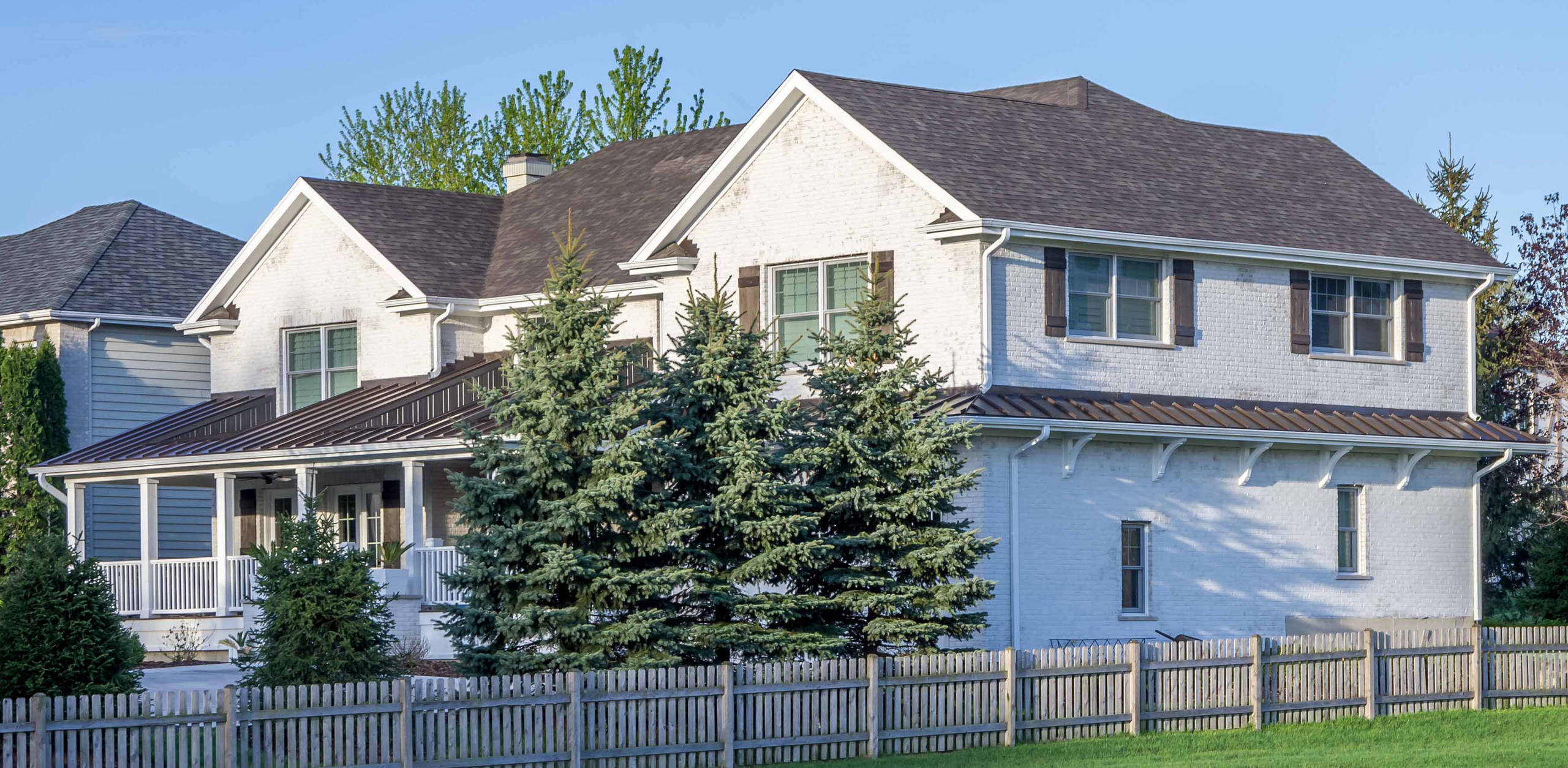
Key design factors, based on location
- Walworth County, WI (Lake Geneva, Fontana, Delavan, Elkhorn) battles humidity and ice, so roof and drainage details are key.
- Chicago’s North Shore (Winnetka, Wilmette, Highland Park) often demands review-board clarity and timeless streetscapes, so we prioritize envelope performance and detailing that weathers well.
- Indiana Dunes (Beverly Shores, Michigan City) faces shifting sands and gusts, so foundations, access, and wind-rated windows rank high.
- Harbor Country, MI (New Buffalo, Union Pier, Grand Beach) brings wind, sand, and lake-effect snow, so coastal-grade hardware earns its keep.
- Southern Utah (St. George, Zion corridor) pairs extreme UV, heat, and monsoon bursts, so deep overhangs, UV-stable finishes, oversized drainage, and dust-resistant detailing matter.
- Northern New Mexico (Santa Fe, Taos, East Mountains) adds high-altitude sun, diurnal swings, and wildfire risk, so orientation and shading, thermal mass, ignition-resistant roofs, and defensible space are essential.
- Upstate New York (Adirondacks, Catskills, Finger Lakes) brings heavy snow and dramatic freeze–thaw cycles, so cold-roof assemblies, snow-load structure, and robust ice-dam defense are prudent.
- Appalachian Mountains (Tennessee) combine steep slopes, clay soils, and high rainfall, so geotechnical review, stepped foundations, erosion control, and storm-ready porches protect the investment.
What this looks like in practice
If numbers need to tighten, we don’t “cut”—we choose the lever that preserves the most value.
Examples that keep joy intact:
- Scope: phase the bunk room or outdoor kitchen; rough-in utilities today, finish when it’s time.
- Specs: keep the walnut island; shift the perimeter to a similar quartz and redirect funds to better windows.
- Size: trim width from secondary hallways to afford the lake-view window wall.
Transparency: Honest conversations about Investment
Clear documentation prevents drift and friction. We share options, prices, and approvals in plain sight so decisions feel confident—not rushed.
Our toolkit:
- Alternates matrix with true add/deduct pricing and “do-not-substitute” flags.
- Annotated specs and drawings that call out guardrail items and installation notes.
- Mock-ups and samples—full-size cabinet doors, stains on your actual species, stone next to hardware—approved before orders.
- Allowance realism informed by current vendor quotes, not last year’s pricing.
- Schedule discipline to lock long-lead items early and avoid expensive last-minute swaps.
Budgeting that breathes: the 90–10 rule
We allocate about 90% to essentials that drive durability and daily joy, holding 10% as a contingency for smart pivots or late-stage decisions. This keeps momentum during bidding and protects choices that define the home.
90% essentials:
- Envelope, structure, windows/doors, roofing, waterproofing, drainage.
- Kitchen/mudroom durability and primary-suite comfort.
- Lighting design, electrical rough-ins, and the smart-home backbone.
10% flexible:
- Outdoor kitchen components beyond utilities.
- Built-ins in guest spaces vs. well-chosen freestanding pieces.
- Specialty stone in secondary zones; complex tile patterns outside feature areas.
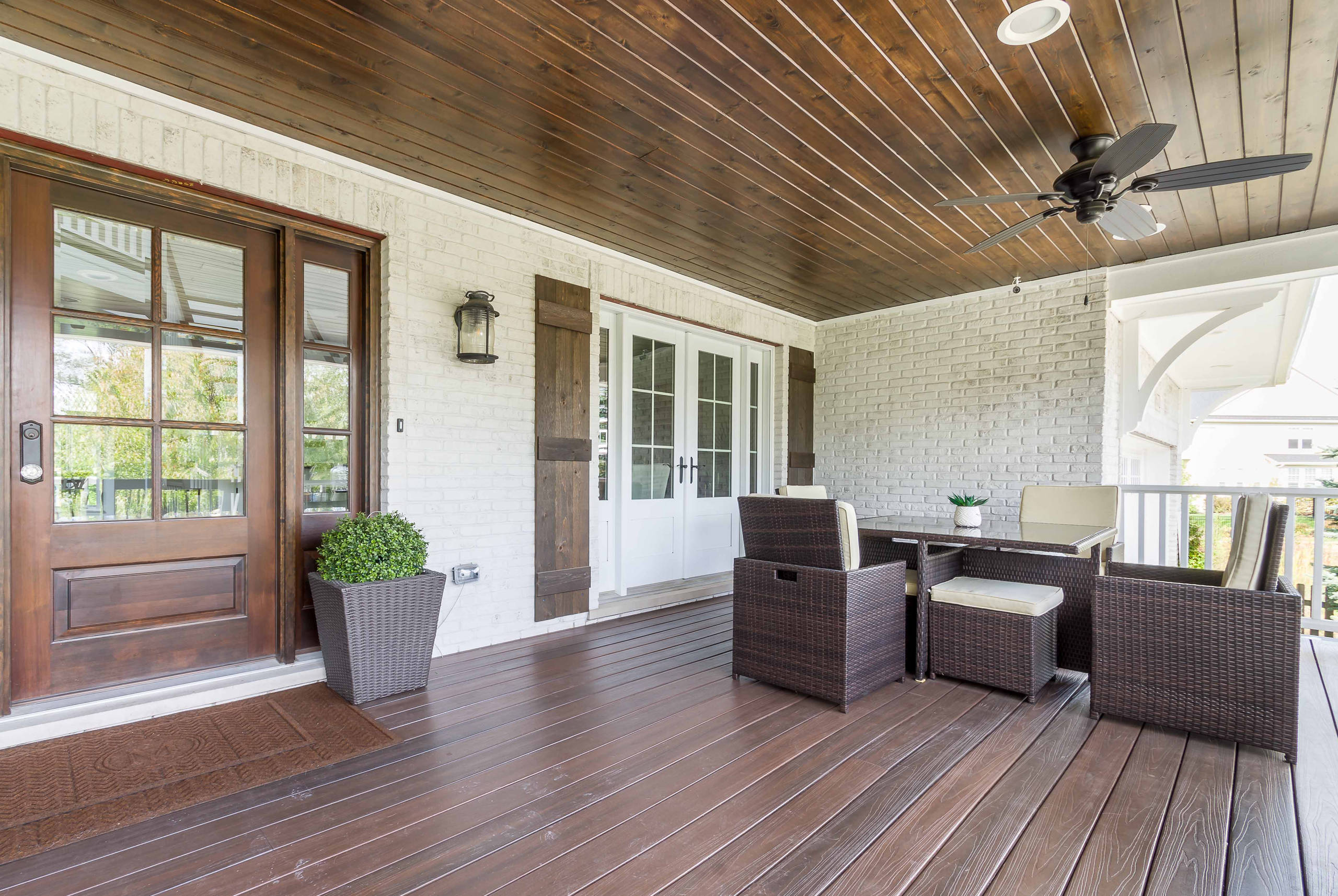
Ready to set your guardrails?
Start with The Story Session™ to define what matters most—views, comfort, traditions—then move into your Legacy Home™ design phase to organize scope, confirm specs, and right-size the plan. That’s how you keep the lake-luxury experience and skip the regret.